AI Software Engineering Agentic Coding
Coding Agents as a Shared Resource
· Reading time: 2 min
In How the Claude Code team does code review, one sentence stood out to me:
Our culture of defaulting to working on open Slack channels helps too, since you see what others are building while they build it.
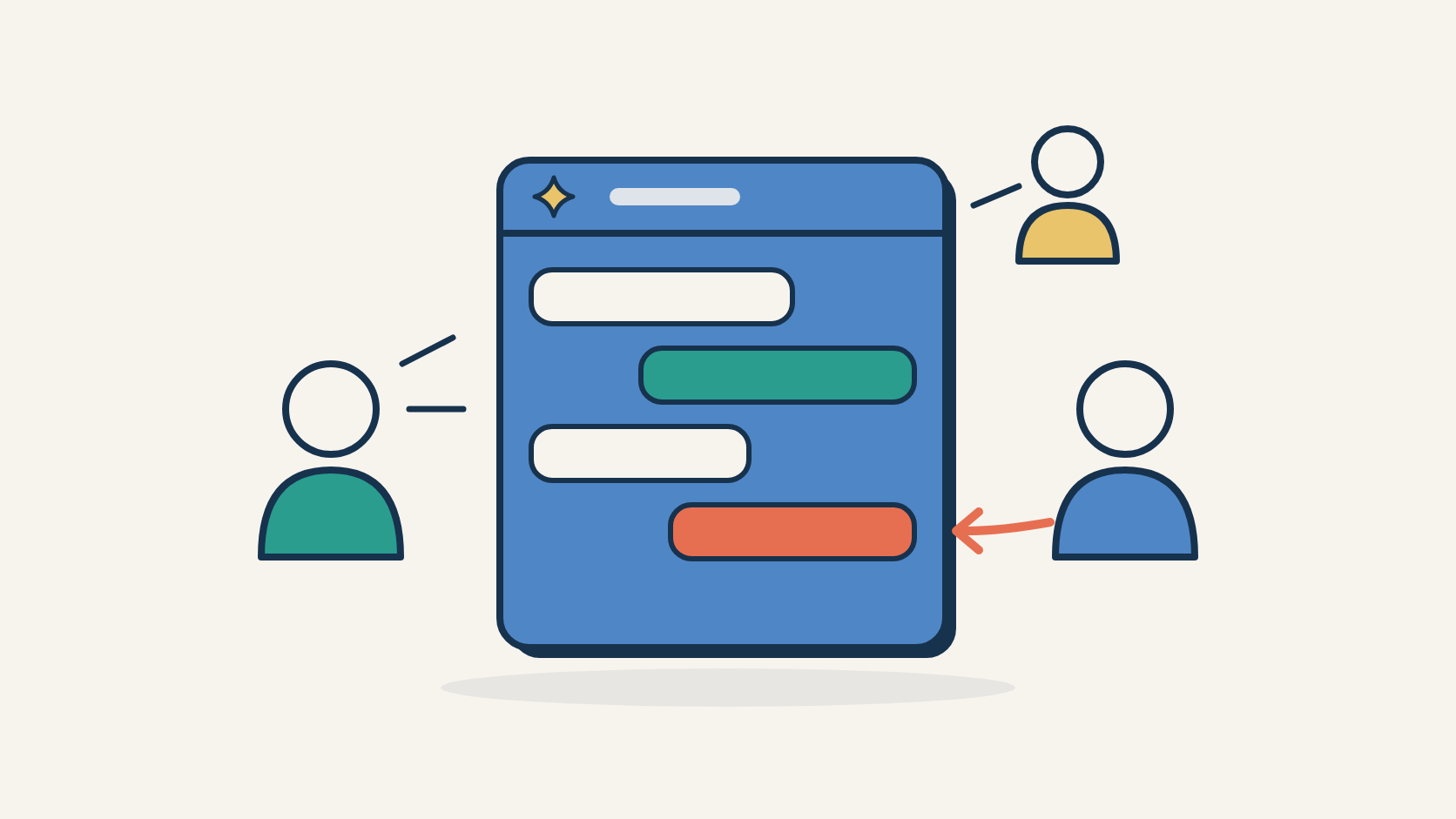
I think this is one of the most interesting points in the post. Treating coding agents as a shared resource, with the conversation visible to the team rather than private to one developer, would address several problems at once.
- Ownership of PRs. “Another slop PR by that guy. I’m sure there was little thought behind it, and the thinking is being outsourced to me.” If everyone can see your prompt, you take more ownership of the result, and there is less risk of slop.
- Intent. What did the person actually prompt? I don’t want to read a diff to reconstruct the intent. Entire addresses part of this by saving the agent session alongside each commit; I wrote about reviewing from that transcript in On the Future of Pull Requests.
- Nitpicks. If I leave a suggestion as a PR comment, the author will copy-paste it into their coding agent. That is a detour. I would rather add it to the agent conversation directly.
- Learning from others. A colleague clearly knows their stuff. How do they prompt their agent?
- Observability into token spend. If the conversations are shared, so is what they cost.
There are obvious downsides. Most people would feel uneasy sharing their AI conversations with everyone.
HumanLayer seems to be heading in this direction. Doing everything from Slack does have its merits.